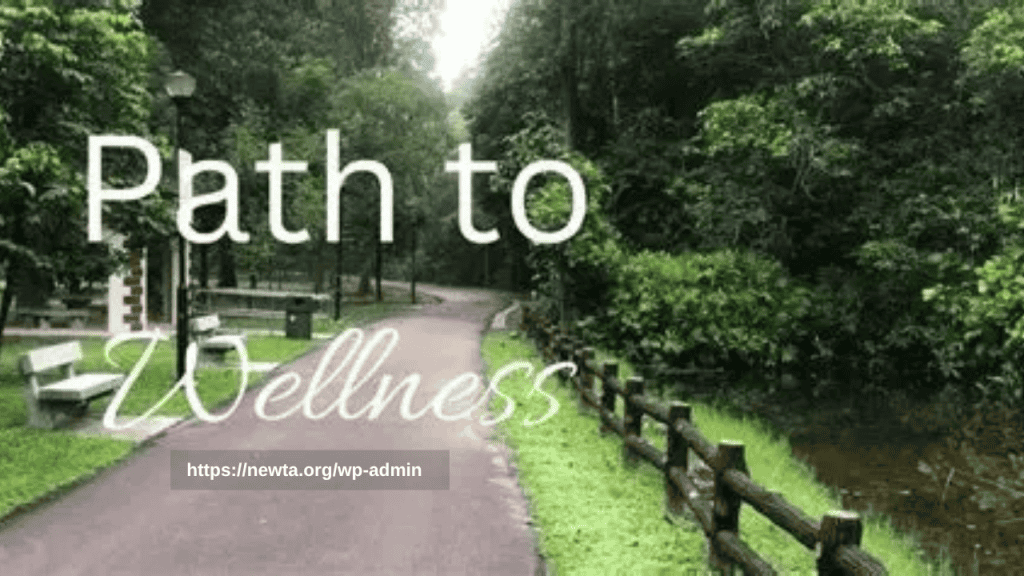
In a world dominated by pharmaceutical solutions and fast-paced lifestyles, more individuals are turning to natural and alternative approaches for healing and recovery. Whether recovering from addiction, trauma, chronic illness, or emotional distress, the path to wellness can take many forms. Natural healing emphasizes restoring balance to the body, mind, and spirit using gentle, holistic methods that support long-term wellness rather than offering temporary fixes.
1. Honoring the Body’s Natural Ability to Heal
The human body has an incredible capacity for healing when supported properly. Natural approaches to recovery often focus on nutrition, movement, and rest to stimulate this innate healing power. Detoxifying the body through clean eating, hydration, and physical activity helps eliminate harmful substances and restores energy levels. Therapies like massage, chiropractic care, and infrared sauna use the body’s own mechanisms to promote recovery and resilience.
2. The Power of Plant-Based Medicine
Herbal remedies and plant-based supplements have been used for centuries to support healing. From calming anxiety with lavender and chamomile to boosting the immune system with echinacea and turmeric, botanical medicine offers natural alternatives that often come with fewer side effects than pharmaceutical drugs. Working with a trained herbalist or naturopath ensures these remedies are used safely and effectively as part of a broader recovery plan.
3. Mindfulness and Mental Clarity
Mental and emotional wellness are key components of natural healing. Mindfulness practices—such as meditation, tai chi, and deep breathing exercises—help individuals cultivate awareness and inner calm. These techniques reduce stress, lower blood pressure, and improve emotional regulation. Over time, mindfulness fosters a stronger connection between body and mind, empowering individuals to respond to challenges with clarity and confidence.
4. Healing Through Connection
Community and supportive relationships play a crucial role in natural recovery. Group therapies, peer support, and healing circles create safe spaces for shared experience and encouragement. Alternative healing often embraces the idea that connection to others and to the earth itself—through nature walks, gardening, or outdoor retreats—can be deeply therapeutic and grounding.
5. Energy-Based Healing Modalities
Many alternative approaches focus on the body’s energetic systems. Acupuncture, Reiki, sound healing, and crystal therapy aim to restore harmony within the body by clearing energetic blockages. These therapies work on subtle levels, addressing emotional and spiritual imbalances that might otherwise remain untouched by conventional treatment methods. While often misunderstood, energy medicine continues to gain credibility as people seek deeper, non-invasive paths to recovery.
6. Personalized and Preventative Care
One of the strongest advantages of natural healing is its emphasis on personalized care. No two recovery journeys are the same, and alternative therapies often allow for individualized treatment plans based on lifestyle, preferences, and underlying health conditions. This approach doesn’t just treat symptoms—it aims to prevent future illness by building a strong foundation of wellness.
Embracing Nature’s Wisdom
Choosing the natural path to wellness is about more than just avoiding chemicals or medications; it’s a commitment to living in harmony with the body and the environment. Alternative healing encourages self-awareness, responsibility, and empowerment. For those seeking lasting transformation, these time-tested methods offer gentle, sustainable, and deeply meaningful support on the journey to recovery.