Healing from Within: Alternative Approaches to Addiction and Mental Health

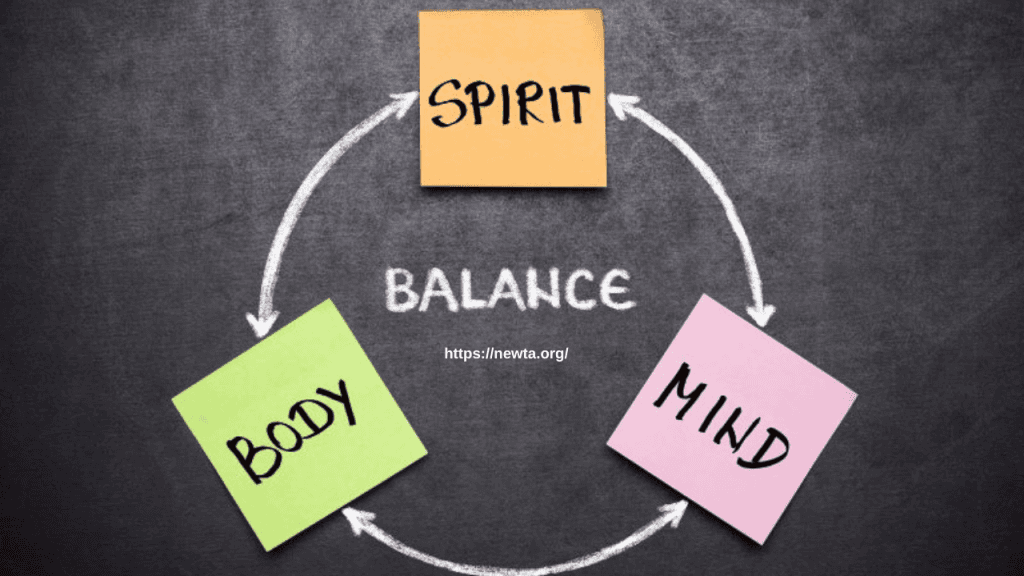
Recovery from addiction and mental health challenges is not only about breaking free from destructive habits or managing symptoms. True recovery means healing from within—restoring balance to the mind, body, and spirit. At NewTA, the focus goes beyond traditional treatment by embracing holistic, faith-based, and individualized approaches that empower people to rebuild their lives from the inside out.

Understanding Healing Beyond Conventional Treatment

For many, medication and traditional therapy play vital roles in recovery. However, these methods often focus on the surface-level symptoms rather than the deeper roots of addiction and emotional distress. Alternative and holistic therapies seek to uncover and heal the underlying causes—trauma, stress, disconnection, and imbalance—that contribute to these challenges.

By integrating alternative therapies with evidence-based care, recovery becomes a more complete, compassionate process that nurtures the whole person.

The Role of Mind-Body Connection in Recovery

Mindfulness and Meditation

One of the most effective holistic approaches in addiction and mental health recovery is mindfulness. Through guided meditation, individuals learn to focus on the present moment, calm racing thoughts, and build emotional awareness. These practices reduce anxiety, prevent relapse triggers, and promote inner peace.

Yoga and Breathwork

Yoga combines physical movement, controlled breathing, and mental focus to improve emotional balance and physical health. Many in recovery find yoga to be a grounding practice that helps manage cravings, release tension, and enhance self-discipline. Breathwork further complements this by promoting relaxation and clarity during stressful moments.

The Power of Nutrition and Holistic Health

Addiction and mental health disorders often take a toll on the body, depleting vital nutrients and energy. A key part of holistic recovery includes rebuilding physical health through nutrition and lifestyle adjustments. Balanced meals, regular exercise, and hydration can restore the body’s natural rhythm, improving both mood and cognitive function.

At NewTA, clients are guided to make healthy choices that strengthen both physical and emotional well-being, providing a foundation for sustainable healing.

Alternative Therapies That Nurture the Spirit

Art, Music, and Expressive Therapies

Creative expression can be a powerful healing outlet. Art and music therapy help individuals process emotions, express pain or joy, and rediscover meaning in life. Journaling and other expressive techniques allow for self-reflection, helping clients connect with their inner selves and track their personal growth over time.

Nature and Spiritual Renewal

Spending time in nature can have a profound impact on recovery. Outdoor therapy, gardening, or simply walking in peaceful surroundings can reduce stress and boost mood. For those who draw strength from faith, incorporating prayer and spiritual reflection into recovery provides comfort, direction, and purpose.

Integrating Alternative and Traditional Care

At NewTA, recovery is not about choosing between traditional or alternative treatment—it is about combining the best of both. Medical support, counseling, and therapy are enhanced by holistic modalities that promote balance and resilience. This integrated approach allows clients to address every aspect of their well-being, making recovery more meaningful and long-lasting.

Taking the First Step Toward Inner Healing

Healing from addiction and mental health challenges takes courage, but it also requires the right environment—one that supports the mind, body, and spirit. Alternative approaches to recovery empower individuals to reconnect with themselves, build self-awareness, and rediscover hope.

If you or someone you care about is ready to begin the journey toward true healing, NewTA offers compassionate, faith-based, and individualized treatment programs designed to help you thrive. Visit NewTA.org to learn more about holistic recovery options and take the first step toward lasting wellness today.
The Natural Path to Wellness: How Holistic Therapies Support Lasting Recovery

Recovery from addiction and mental health challenges is a deeply personal journey. While medical treatments and therapy are essential, they often address only part of the picture. True healing comes from nurturing the whole person: mind, body, and spirit. Holistic therapies offer a natural, comprehensive approach that supports sustainable recovery, strengthens resilience, and helps individuals reclaim their lives.

Why Holistic Therapies Matter

Addiction and mental health struggles affect more than physical health. They influence emotions, relationships, and daily functioning. Holistic therapies focus on treating the underlying causes, rather than just alleviating symptoms. By integrating natural, faith-based, and personalized practices into recovery programs, individuals can experience a deeper, more lasting transformation.

Mind-Body Approaches for Healing

Mindfulness and Meditation

Mindfulness practices help individuals stay present and build awareness of their thoughts and emotions. Meditation promotes calm, reduces anxiety, and strengthens emotional regulation. These tools are particularly valuable during recovery, equipping clients to manage cravings and stress without reverting to old patterns.

Yoga and Movement Therapy

Physical wellness is deeply connected to emotional and mental health. Yoga, tai chi, and other movement therapies enhance flexibility, release tension, and improve overall mood. These practices also encourage self-discipline and focus, which are essential skills for maintaining long-term recovery.

Nutrition and Lifestyle Integration

Eating well is a powerful component of holistic recovery. Proper nutrition restores brain function, strengthens the immune system, and increases energy levels. Recovery programs often incorporate dietary guidance, helping clients build sustainable habits that support both physical and emotional wellness. Combined with adequate rest, hydration, and exercise, these lifestyle adjustments create a strong foundation for lasting change.

Creative and Expressive Therapies

Art, Music, and Journaling

Creative expression provides a safe outlet for processing emotions and exploring identity. Art, music, and journaling help individuals work through trauma, reduce stress, and build confidence. These therapies can reveal insights that are difficult to access through traditional talk therapy alone, enhancing self-awareness and personal growth.

Nature and Ecotherapy

Time spent in natural environments has been shown to improve mood, reduce anxiety, and promote mindfulness. Nature-based therapies, whether through outdoor activities or guided ecotherapy, reconnect clients with themselves and the world around them, fostering emotional balance and inner peace.

Spiritual and Faith-Based Support

For many, spiritual growth is central to recovery. Faith-based counseling, prayer, and reflective practices provide guidance, hope, and a sense of purpose. Integrating spirituality into holistic care strengthens resilience, encourages personal responsibility, and supports a meaningful recovery journey.

Integrating Holistic Therapies into Recovery Programs

The most effective recovery plans combine evidence-based medical care with holistic therapies tailored to the individual. Whether through inpatient or outpatient programs, integrating these approaches addresses the full spectrum of physical, emotional, and spiritual needs, promoting lasting wellness and reducing the risk of relapse.

Taking the Next Step

Recovery is not just about stopping harmful behaviors. It is about restoring balance, building resilience, and creating a life worth living. Holistic therapies provide the tools and support needed for this transformation.

If you or a loved one are ready to explore a recovery plan that nurtures mind, body, and spirit, NewTA.org offers compassionate, faith-based, and individualized programs designed to guide you toward lasting wellness. Take the first step today and embrace a path to recovery that truly heals the whole person.

Beyond the Quick Fix: Building Resilience with Natural and Holistic Recovery Plans

Recovery is not a quick fix. It is a journey that requires time, patience, and care for the whole person. Too often, treatment focuses solely on managing symptoms through medication or short-term interventions. While these approaches can provide relief, they rarely lead to lasting transformation. True recovery comes from rebuilding resilience—physically, mentally, and spiritually—through natural and holistic methods that strengthen every aspect of well-being.

Why Quick Fixes Fall Short in Recovery

Addiction and mental health challenges develop over time, often rooted in emotional pain, trauma, and stress. Expecting immediate results from medication or single-focus treatments can set unrealistic expectations. Quick fixes may suppress symptoms but fail to heal the underlying issues that led to addiction in the first place. Without a comprehensive approach that includes emotional healing, lifestyle change, and spiritual renewal, recovery often becomes a cycle of temporary progress and relapse.

Holistic recovery focuses on long-term growth. It empowers individuals to reconnect with themselves, develop healthier coping mechanisms, and create a life of balance and purpose.

The Power of a Natural and Holistic Recovery Plan

Healing the Body

Substance use takes a toll on the body, depleting nutrients, weakening immunity, and disrupting natural balance. Nutrition therapy, exercise, and herbal support help restore strength and vitality. For instance, antioxidant-rich foods repair cellular damage, while gentle physical activity such as yoga or walking enhances circulation and improves mood. These natural supports are essential in helping the body recover from years of strain.

Restoring Mental and Emotional Health

Holistic therapies like mindfulness, meditation, and breathing exercises promote calm, reduce anxiety, and improve emotional regulation. Counseling and group therapy then build on this foundation, helping individuals process emotions, address past trauma, and develop resilience. Integrating these approaches creates a steady path toward mental clarity and emotional stability.

Nurturing the Spirit

For many, faith and spirituality are vital components of recovery. A faith-based approach helps individuals find purpose, forgiveness, and strength during the healing process. Practices such as prayer, meditation, or spending time in nature provide peace and a renewed sense of connection. Healing the spirit helps sustain motivation and hope, especially during challenging moments.

Building Resilience for Long-Term Recovery

Resilience is the ability to adapt, recover, and grow stronger after setbacks. Holistic recovery builds this resilience through daily practices that promote stability and self-awareness. Learning to manage stress, developing healthy routines, and surrounding oneself with supportive relationships all contribute to long-term success.

Recovery becomes less about avoiding relapse and more about creating a meaningful, healthy life. Individuals who embrace holistic methods often report feeling more grounded, focused, and capable of handling life’s challenges without turning to substances.

Combining Science and Holistic Care

Modern recovery programs now recognize that true healing happens when evidence-based treatment and holistic therapies work together. Medical supervision ensures safety and structure, while holistic care brings depth and personalization. Together, they create a balanced plan that addresses every dimension of recovery—mind, body, and spirit.

Taking the First Step Toward Whole-Person Healing

There are no shortcuts to lasting recovery, but there are powerful paths forward. By choosing a natural and holistic recovery plan, you are choosing to rebuild your life with strength, purpose, and peace.

If you or someone you love is ready to move beyond the quick fix and begin a journey toward whole-person healing, NewTA.org is here to help. Their compassionate, faith-based programs are designed to guide you toward lasting transformation—one step at a time. Reach out today and take that first step toward true recovery.

Nature’s Medicine Cabinet: Exploring Herbal and Holistic Recovery Methods

Healing from addiction and mental health challenges requires more than treating symptoms. True recovery involves nurturing the entire person—mind, body, and spirit. While modern medicine has its place, many individuals are turning to nature’s medicine cabinet for safe, effective, and restorative ways to support their healing journey. Herbal and holistic recovery methods are becoming powerful allies in promoting balance, resilience, and long-term wellness.

Rediscovering the Power of Natural Healing

Nature provides countless tools to help the body restore itself. Herbal remedies, nutrition, and other natural therapies have been used for centuries to promote healing and emotional stability. When combined with evidence-based treatment such as counseling, therapy, and support groups, holistic approaches can strengthen recovery by addressing root causes rather than simply easing surface-level symptoms.

The Role of Herbal Therapies in Recovery

Supporting the Body’s Natural Detox

Certain herbs can help the body eliminate toxins, reduce inflammation, and restore essential nutrients depleted during addiction. Milk thistle, for example, supports liver health, while dandelion root aids digestion and cleansing. Adaptogenic herbs like ashwagandha and rhodiola help regulate stress responses, making them valuable for managing cravings and emotional imbalances.

Calming the Mind and Balancing Mood

Herbs such as chamomile, valerian root, and passionflower promote relaxation and improve sleep quality. These natural remedies can support mental health by reducing anxiety and promoting calm during the early stages of recovery. St. John’s wort, often used to support mood balance, can be helpful when used under professional guidance.

Integrating Holistic Therapies for Whole-Person Healing

Mind-Body Practices

Holistic recovery emphasizes the deep connection between physical and emotional well-being. Practices like yoga, meditation, and deep breathing reduce stress, improve focus, and support emotional regulation. These techniques work hand in hand with herbal support to promote clarity and balance.

Nutrition and Lifestyle Choices

Food is a powerful form of medicine. Nutrient-rich meals restore energy and improve brain function, helping individuals feel stronger and more focused. Holistic recovery often includes nutritional counseling to help clients rebuild healthy eating habits that sustain long-term wellness.

Faith and Spiritual Connection

At the heart of holistic recovery is the belief that healing involves more than the body. Faith-based support and spiritual reflection allow individuals to reconnect with purpose and inner peace. This spiritual foundation provides strength and guidance during difficult moments in the recovery process.

The Benefits of Combining Herbal and Traditional Treatments

When natural therapies are integrated into a structured recovery plan, the results can be transformative. Herbal remedies can ease withdrawal symptoms, reduce stress, and promote better sleep, while counseling and group therapy address emotional and behavioral challenges. This balanced approach ensures that both the physical and psychological aspects of healing are fully supported.

Taking the Next Step Toward Natural Recovery

Nature offers powerful, gentle ways to help restore health and balance. Herbal and holistic recovery methods can enhance traditional treatment programs and provide lasting benefits without harmful side effects.

If you or someone you love is ready to explore natural, faith-based approaches to healing, reach out today. Recovery is not just about breaking free—it’s about finding wholeness, purpose, and peace through compassionate, personalized care.

The Recovery Revolution: Why Holistic Healing Matters More Than Ever

Addiction and mental health challenges are complex, and the journey to recovery is never the same for two people. Traditional approaches to treatment, while valuable, often focus only on managing symptoms. Today, more individuals are seeking comprehensive, whole-person care that restores balance in mind, body, and spirit. This shift marks a true recovery revolution, where holistic healing is no longer an alternative but an essential part of lasting transformation.

Why Recovery Needs a Holistic Approach

Addiction affects every aspect of life. It impacts physical health, emotional well-being, relationships, and a person’s sense of purpose. Relying only on medication or talk therapy may leave important areas of healing unaddressed. Holistic recovery integrates proven medical care with natural therapies, spiritual growth, and lifestyle changes. This balance not only treats the symptoms of addiction but also empowers individuals to rebuild their lives with resilience and clarity.

Key Benefits of Holistic Healing in Addiction Recovery

Treating the Whole Person

Holistic healing emphasizes that recovery is not just about abstaining from substances. It is about nurturing the body, calming the mind, and strengthening the spirit. Practices such as mindfulness, yoga, and nutrition counseling complement traditional treatment methods, creating a foundation for long-term wellness.

Reducing Stress and Preventing Relapse

High stress levels are one of the leading causes of relapse. Natural therapies like meditation, breathing exercises, and outdoor activities help reduce anxiety and improve emotional regulation. By learning healthy ways to manage stress, individuals are better equipped to handle triggers and stay committed to recovery.

Encouraging Spiritual and Personal Growth

For many, faith and spirituality play a central role in healing. Holistic, faith-based care creates opportunities for reflection, prayer, and building a deeper sense of purpose. This dimension of recovery fosters hope, inner strength, and the belief that transformation is possible.

Practical Mind-Body Therapies That Make a Difference

Mindfulness and Meditation

Mindfulness teaches individuals to observe their thoughts and emotions without judgment. Meditation strengthens focus and promotes calm, helping people manage cravings and cultivate emotional balance.

Nutrition and Movement

Healing the body through proper nutrition and exercise is vital. Balanced meals restore energy and brain function, while movement therapies like yoga or tai chi improve mood and strengthen physical health.

Creative Expression

Art, music, and journaling offer safe ways to explore feelings and release emotions. These expressive outlets are especially powerful for individuals who struggle to process trauma or communicate their experiences verbally.

The Future of Recovery: Integrating Science and Holistic Care

The recovery revolution is about blending evidence-based medical care with holistic strategies that honor the unique needs of every individual. Science provides structure, while holistic therapies add depth, creating a treatment model that is both compassionate and effective. This integrated approach not only improves recovery outcomes but also equips individuals with tools for lifelong well-being.

Taking the Next Step Toward Healing

Holistic healing matters now more than ever because recovery is not simply about surviving—it is about thriving. By addressing the whole person, individuals can find true freedom, balance, and lasting strength.

If you or someone you love is ready to explore a recovery path that combines evidence-based care with holistic, faith-centered healing, Newta.org is here to help. Reach out today and begin your journey toward renewal, purpose, and lasting recovery.

Restoring Balance: Integrating Mind-Body Therapies for True Recovery

Recovery is more than breaking free from substance use. It is about restoring balance in mind, body, and spirit. For many individuals, traditional treatment alone may not fully address the deeper roots of addiction and mental health struggles. This is where mind-body therapies can transform the healing process. By integrating holistic practices into individualized recovery plans, people can find not only freedom from addiction but also a renewed sense of purpose, peace, and long-term well-being.

Why Mind-Body Therapies Matter in Recovery

Addiction and mental health conditions affect more than physical health. They influence emotions, relationships, and even spiritual well-being. Mind-body therapies are designed to connect the physical and psychological aspects of healing, helping individuals become more resilient and grounded. When paired with evidence-based care such as counseling, group support, and medical services, these approaches can create a more complete path to recovery.

Key Mind-Body Therapies That Support Healing

Mindfulness and Meditation

Mindfulness teaches individuals to stay present and manage difficult emotions without judgment. Meditation supports relaxation, reduces stress, and helps build emotional stability. These practices are especially valuable in recovery, where learning to pause and respond calmly to cravings or triggers can make a powerful difference.

Yoga and Movement Practices

Yoga is more than stretching or exercise. It encourages physical strength, mental clarity, and emotional release. Practices like yoga, tai chi, or guided breathing help restore balance in the nervous system, reduce anxiety, and build healthy coping mechanisms.

Nutrition and Wellness Habits

Healing requires the body to regain strength and energy. Proper nutrition, hydration, and sleep play critical roles in repairing the brain and body after addiction. Wellness counseling can guide individuals in adopting lifestyle choices that support sustainable recovery and long-term health.

The Role of Creativity and Expression

Art and Music Therapy

Art and music provide safe, constructive ways to express emotions that may feel too overwhelming to put into words. These therapies help individuals process trauma, release stress, and build confidence as they discover new outlets for creativity and self-expression.

Journaling and Reflection

Journaling encourages self-awareness and emotional processing. Writing about thoughts and experiences can uncover hidden patterns, clarify goals, and provide a healthy way to cope with challenges during recovery.

Faith and Spiritual Growth in Recovery

For many, spirituality is a powerful source of healing. Faith-based support, prayer, and spiritual counseling can bring comfort, direction, and hope. Integrating these elements into a treatment plan offers individuals a foundation that strengthens both inner peace and lasting recovery.

Creating a Whole-Person Recovery Plan

A truly effective recovery plan does not take a one-size-fits-all approach. It blends proven medical care, counseling, and holistic mind-body therapies in ways that reflect each individual’s needs. By focusing on the whole person rather than just the symptoms of addiction, this integrative approach empowers people to create a healthier, more balanced life.

Taking the Next Step

True recovery means more than leaving substances behind. It is about restoring balance and building a life filled with strength, purpose, and hope. If you or someone you love is ready to explore a holistic, faith-based approach that integrates mind-body therapies, now is the time to take that step. Reach out today and begin the journey toward lasting healing and renewal.

Healing Without Side Effects: The Power of Natural Therapies in Recovery

Recovery from addiction and mental health challenges is a journey that requires more than just medication. While clinical treatments and pharmaceuticals can stabilize symptoms, they often come with side effects and do not fully address the emotional, physical, and spiritual aspects of healing. Natural therapies offer an effective, holistic approach that supports long-term recovery while promoting overall wellness. By incorporating these strategies, individuals can reclaim control of their lives, strengthen resilience, and experience lasting transformation.

Understanding the Role of Natural Therapies in Recovery

Natural therapies are designed to work with the body’s own healing processes. They address the underlying causes of addiction and mental health issues rather than just managing symptoms. When integrated with traditional treatment programs such as inpatient and outpatient care, counseling, and medication-assisted treatment, natural approaches can enhance outcomes, improve emotional regulation, and reduce the likelihood of relapse.

Mind-Body Practices for Emotional and Mental Wellness

Mindfulness and Meditation

Mindfulness meditation helps individuals develop self-awareness, regulate emotions, and manage stress. Practicing mindfulness allows clients to observe cravings and negative thought patterns without judgment, giving them the tools to respond thoughtfully rather than react impulsively. These practices are essential for building resilience and maintaining sobriety.

Yoga and Movement Therapy

Physical activity, especially structured practices like yoga, tai chi, or gentle stretching, promotes both physical and emotional healing. Movement therapy reduces tension, boosts endorphins, and fosters a stronger connection between the mind and body. These benefits are particularly valuable during recovery, as they enhance mood, reduce anxiety, and support overall wellness.

Nutrition and Lifestyle Adjustments

Proper nutrition is fundamental to the recovery process. Whole, nutrient-dense foods help repair damage caused by substance use, stabilize blood sugar, and improve cognitive function. Nutrition counseling can guide individuals toward diets that support brain health, reduce inflammation, and increase energy. Combined with adequate sleep and regular physical activity, these lifestyle adjustments create a foundation for lasting recovery.

Creative and Expressive Therapies

Art, Music, and Journaling

Creative therapies provide outlets for emotional expression and personal reflection. Art, music, and journaling help individuals process trauma, release pent-up emotions, and explore identity in a safe and constructive way. Engaging in creative activities fosters self-esteem, provides a sense of accomplishment, and strengthens motivation for continued recovery.

Nature-Based Therapies

Spending time in natural environments, practicing ecotherapy, or participating in outdoor activities promotes mental clarity and reduces stress. Nature-based therapies encourage mindfulness, provide grounding, and help individuals reconnect with themselves in restorative ways.

Spiritual and Holistic Approaches

Faith-based counseling, meditation, and energy therapies such as Reiki or acupuncture offer additional layers of support. These modalities address emotional and spiritual wellness, helping clients discover meaning, purpose, and inner peace. Integrating these practices into a structured recovery plan enhances overall outcomes and strengthens long-term resilience.

Taking the Next Step Toward Holistic Recovery

Natural therapies provide a safe, effective, and holistic complement to traditional treatment. By embracing approaches that promote healing without side effects, individuals can restore balance, reclaim health, and build a life of sustainable wellness.

If you or a loved one is seeking a recovery plan that addresses mind, body, and spirit, reach out to a trusted holistic care provider today. Taking the first step toward integrated, natural healing can open the door to lasting transformation and a renewed sense of purpose.

Breaking the Medical Mold: How Holistic Care Transforms Recovery Journeys

For many people facing addiction and mental health challenges, traditional medical treatment provides only part of the solution. While therapy and medication play important roles, they often leave gaps that prevent true healing. Holistic care steps in to address these gaps by treating the whole person: mind, body, and spirit. By moving beyond the limits of conventional approaches, holistic recovery offers individuals the opportunity to rediscover balance, resilience, and lasting wellness.

Why Holistic Care Matters in Recovery

Addiction and mental health disorders are rarely one-dimensional. They affect physical health, emotional stability, relationships, and even spiritual well-being. When recovery focuses solely on symptoms, the underlying causes and personal struggles remain unaddressed. Holistic care transforms recovery by weaving together medical treatment, natural therapies, and individualized support. This comprehensive approach gives clients the tools they need not just to survive but to thrive.

Mind-Body Practices That Restore Balance

The Power of Mindfulness and Meditation

Mindfulness practices encourage individuals to pause, breathe, and reconnect with themselves. Meditation helps reduce anxiety, improve focus, and build emotional awareness. These practices complement therapy by equipping clients with practical tools for managing cravings and stress in real time.

Nutrition and Movement as Healing Tools

The body cannot heal if it is depleted. Proper nutrition repairs the damage caused by substance use and supports brain function. Movement-based therapies such as yoga or gentle exercise further promote recovery by improving mood, reducing tension, and strengthening the mind-body connection.

Spiritual and Emotional Dimensions of Healing

Faith-Based Support for Purpose and Connection

For many, faith offers strength and a renewed sense of hope. Faith-based care provides spiritual guidance and community, reminding individuals that recovery is not a journey they must walk alone. By nurturing spiritual well-being, clients often discover new meaning and motivation.

Creative and Expressive Therapies

Recovery is also about reclaiming identity and voice. Art, music, and writing therapies provide safe, constructive outlets for emotions that may be difficult to verbalize. These expressive practices help release pain, spark joy, and cultivate self-discovery.

The Role of Personalized Treatment Plans

Every recovery story is unique, which is why one-size-fits-all programs rarely succeed. Holistic care emphasizes individualized treatment plans that combine medical support, counseling, and natural therapies tailored to each client’s needs. Whether through inpatient care, outpatient programs, or community-based support, a personalized approach ensures that recovery is comprehensive and sustainable.

Transforming Lives Through Whole-Person Care

The impact of holistic care extends beyond treatment sessions. Clients often report improved self-esteem, stronger relationships, and a deeper sense of peace. By integrating physical, emotional, and spiritual healing, holistic recovery transforms lives and empowers individuals to create meaningful, lasting change.

Taking the Next Step

Breaking the medical mold does not mean rejecting science or traditional treatment. Instead, it means embracing a more complete vision of healing. At its core, holistic care values the uniqueness of every individual and recognizes that lasting recovery requires more than symptom management.

If you or someone you love is seeking a path that addresses the whole person, holistic recovery may be the answer. Reach out today to explore programs designed to heal not just the body, but also the heart and spirit. A new chapter of wellness is possible, and it begins with taking that first step.

Whole-Person Healing: Natural Strategies for Lasting Recovery

Recovery from addiction and mental health challenges requires more than simply addressing symptoms. Lasting transformation comes when treatment supports the whole person: mind, body, and spirit. While traditional therapies and medications are important, natural strategies provide additional layers of healing that empower individuals to reclaim their lives and build sustainable wellness.

Understanding Whole-Person Healing

Whole-person healing recognizes that each individual’s journey is unique. Recovery programs that integrate physical, emotional, and spiritual care offer a more comprehensive approach than focusing solely on abstinence or symptom management. By combining evidence-based treatments with holistic and natural therapies, individuals gain tools that address underlying causes of addiction and mental health issues while fostering long-term resilience.

The Role of Natural Strategies in Recovery

Mindfulness and Meditation

Practices such as mindfulness meditation help individuals become more aware of their thoughts and emotions. This awareness enables healthier coping mechanisms, reduces stress, and strengthens emotional regulation. Meditation can complement traditional therapies by providing clarity and a sense of inner calm, which are essential in preventing relapse.

Nutrition and Physical Wellness

Proper nutrition is foundational to both mental and physical health. A balanced diet rich in vitamins, minerals, and whole foods supports brain function, stabilizes mood, and enhances energy. Exercise and movement therapies, including yoga or tai chi, promote overall well-being by improving circulation, reducing anxiety, and reinforcing a positive mind-body connection.

Creative and Expressive Therapies

Art, music, and writing therapies provide safe spaces for individuals to process emotions and trauma. These outlets can reveal insights that may be difficult to access through traditional talk therapy alone. Creative expression fosters emotional release, boosts self-esteem, and helps clients reconnect with their sense of purpose.

Faith-Based and Spiritual Support

For those who seek spiritual growth, faith-based practices provide guidance, meaning, and connection. Spiritual counseling, prayer, and community involvement can strengthen resilience and reinforce commitment to recovery. Incorporating spiritual wellness alongside medical and therapeutic interventions often results in a more balanced and fulfilled recovery experience.

Energy and Holistic Modalities

Alternative therapies such as acupuncture, Reiki, and herbal support focus on restoring balance to the body and mind. These approaches can reduce stress, improve emotional stability, and support the body’s natural healing mechanisms, complementing traditional clinical treatments.

Creating a Personalized Recovery Plan

A key principle of whole-person healing is individualization. Each recovery journey requires a plan tailored to personal needs, preferences, and goals. Integrating natural strategies with inpatient or outpatient care ensures that treatment is holistic, compassionate, and effective.

Taking the Next Step

Recovery is not just about surviving addiction; it is about thriving in life. Whole-person healing empowers individuals to address the root causes of their struggles and embrace sustainable wellness. By combining natural strategies with professional care, clients gain the tools, support, and insight needed to create lasting change.

Reach out today to explore personalized programs that support mind, body, and spirit. Holistic recovery is within reach, and the path to a healthier, more purposeful life begins with a single step.

From Pills to Purpose: Reclaiming Health Through Holistic Therapies

Recovery is not just about ending harmful habits. It is about rediscovering a life filled with meaning, joy, and health. For many, the first steps to recovery involve medication or clinical treatment, and while these can be important, they are only part of the story. True, lasting recovery often requires a deeper transformation that heals the whole person. Holistic therapies offer that path, helping individuals move beyond relying solely on medication and toward a life with renewed purpose and connection.

Why Healing Needs More Than Medication

Medication can be an important tool for stabilizing health in the early stages of recovery. It can help manage withdrawal symptoms, address co-occurring mental health disorders, and provide an initial foundation for stability. However, recovery cannot stop there. Without addressing the emotional, spiritual, and lifestyle factors that contributed to addiction, many people find themselves stuck in cycles of relapse.

Holistic therapies work alongside traditional methods to address these underlying issues. By focusing on the whole person rather than just the symptoms, holistic care helps individuals build resilience and develop tools for long-term wellness.

What Makes Holistic Therapies Different

Treating the Whole Person

Holistic therapies recognize that mind, body, and spirit are deeply connected. Recovery programs that integrate practices like yoga, meditation, art therapy, and nutritional counseling do more than ease stress or improve physical health. They teach individuals to reconnect with themselves, develop healthy coping skills, and find meaning beyond their struggles.

Addressing Root Causes

Addiction often stems from deep emotional wounds, unhealed trauma, or chronic stress. While medication can help manage the chemical aspects of addiction, holistic approaches such as trauma-focused therapy, mindfulness practices, and somatic experiencing work to heal these root causes. This makes it possible for individuals to not just stop harmful behaviors but to truly recover.

Empowering Personal Responsibility

Holistic recovery is highly personalized. There is no one-size-fits-all plan. Instead, treatment is tailored to each individual’s needs, preferences, and goals. This personalized approach empowers individuals to take an active role in their healing, which strengthens their commitment to long-term change.

Common Holistic Therapies That Support Recovery

  • Mindfulness and Meditation: Improve self-awareness, reduce stress, and promote emotional stability.
  • Nutritional Therapy: Restores physical health, stabilizes mood, and boosts energy levels.
  • Yoga and Movement Practices: Release tension, improve mental clarity, and strengthen the body.
  • Creative Arts Therapy: Offers a safe outlet for expression and emotional processing.
  • Faith-Based Counseling: Provides spiritual support and guidance for those seeking purpose through faith.

Blending Science and Soul

The most effective recovery programs combine evidence-based treatments with holistic care. This integrative approach ensures that medical needs are met while also nurturing emotional and spiritual well-being. For many, it is this blend that turns recovery into a meaningful life transformation.

Taking the First Step Toward Purpose

If you or someone you love is seeking more than just a short-term fix, holistic therapies may be the key to lasting change. Recovery is not about living without something. It is about living for something. By moving from pills to purpose, individuals can find freedom, health, and a life worth living.

Your journey to healing can begin today. Reach out to a trusted recovery center that offers holistic, individualized care. The next chapter of your life can be one of strength, connection, and true wellness.