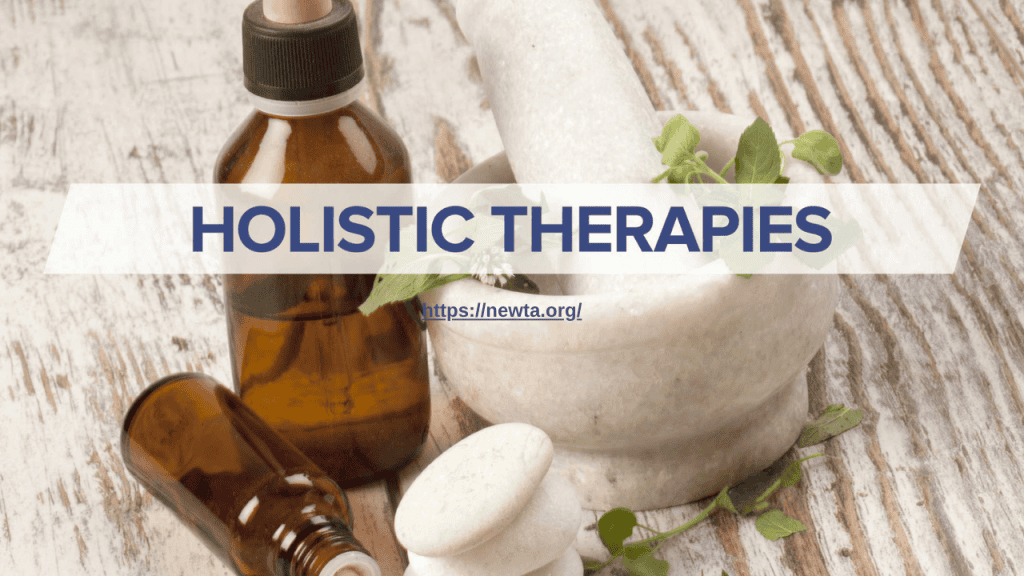
Recovery from addiction and mental health challenges is a deeply personal journey. While medical treatments and therapy are essential, they often address only part of the picture. True healing comes from nurturing the whole person: mind, body, and spirit. Holistic therapies offer a natural, comprehensive approach that supports sustainable recovery, strengthens resilience, and helps individuals reclaim their lives.
Why Holistic Therapies Matter
Addiction and mental health struggles affect more than physical health. They influence emotions, relationships, and daily functioning. Holistic therapies focus on treating the underlying causes, rather than just alleviating symptoms. By integrating natural, faith-based, and personalized practices into recovery programs, individuals can experience a deeper, more lasting transformation.
Mind-Body Approaches for Healing
Mindfulness and Meditation
Mindfulness practices help individuals stay present and build awareness of their thoughts and emotions. Meditation promotes calm, reduces anxiety, and strengthens emotional regulation. These tools are particularly valuable during recovery, equipping clients to manage cravings and stress without reverting to old patterns.
Yoga and Movement Therapy
Physical wellness is deeply connected to emotional and mental health. Yoga, tai chi, and other movement therapies enhance flexibility, release tension, and improve overall mood. These practices also encourage self-discipline and focus, which are essential skills for maintaining long-term recovery.
Nutrition and Lifestyle Integration
Eating well is a powerful component of holistic recovery. Proper nutrition restores brain function, strengthens the immune system, and increases energy levels. Recovery programs often incorporate dietary guidance, helping clients build sustainable habits that support both physical and emotional wellness. Combined with adequate rest, hydration, and exercise, these lifestyle adjustments create a strong foundation for lasting change.
Creative and Expressive Therapies
Art, Music, and Journaling
Creative expression provides a safe outlet for processing emotions and exploring identity. Art, music, and journaling help individuals work through trauma, reduce stress, and build confidence. These therapies can reveal insights that are difficult to access through traditional talk therapy alone, enhancing self-awareness and personal growth.
Nature and Ecotherapy
Time spent in natural environments has been shown to improve mood, reduce anxiety, and promote mindfulness. Nature-based therapies, whether through outdoor activities or guided ecotherapy, reconnect clients with themselves and the world around them, fostering emotional balance and inner peace.
Spiritual and Faith-Based Support
For many, spiritual growth is central to recovery. Faith-based counseling, prayer, and reflective practices provide guidance, hope, and a sense of purpose. Integrating spirituality into holistic care strengthens resilience, encourages personal responsibility, and supports a meaningful recovery journey.
Integrating Holistic Therapies into Recovery Programs
The most effective recovery plans combine evidence-based medical care with holistic therapies tailored to the individual. Whether through inpatient or outpatient programs, integrating these approaches addresses the full spectrum of physical, emotional, and spiritual needs, promoting lasting wellness and reducing the risk of relapse.
Taking the Next Step
Recovery is not just about stopping harmful behaviors. It is about restoring balance, building resilience, and creating a life worth living. Holistic therapies provide the tools and support needed for this transformation.
If you or a loved one are ready to explore a recovery plan that nurtures mind, body, and spirit, NewTA.org offers compassionate, faith-based, and individualized programs designed to guide you toward lasting wellness. Take the first step today and embrace a path to recovery that truly heals the whole person.