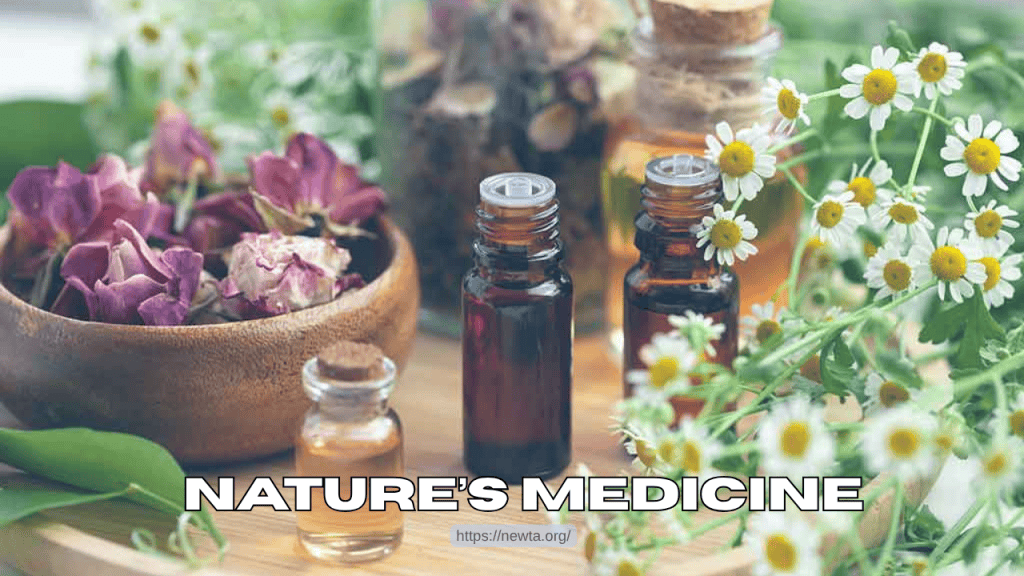
Healing from addiction and mental health challenges requires more than treating symptoms. True recovery involves nurturing the entire person—mind, body, and spirit. While modern medicine has its place, many individuals are turning to nature’s medicine cabinet for safe, effective, and restorative ways to support their healing journey. Herbal and holistic recovery methods are becoming powerful allies in promoting balance, resilience, and long-term wellness.
Rediscovering the Power of Natural Healing
Nature provides countless tools to help the body restore itself. Herbal remedies, nutrition, and other natural therapies have been used for centuries to promote healing and emotional stability. When combined with evidence-based treatment such as counseling, therapy, and support groups, holistic approaches can strengthen recovery by addressing root causes rather than simply easing surface-level symptoms.
The Role of Herbal Therapies in Recovery
Supporting the Body’s Natural Detox
Certain herbs can help the body eliminate toxins, reduce inflammation, and restore essential nutrients depleted during addiction. Milk thistle, for example, supports liver health, while dandelion root aids digestion and cleansing. Adaptogenic herbs like ashwagandha and rhodiola help regulate stress responses, making them valuable for managing cravings and emotional imbalances.
Calming the Mind and Balancing Mood
Herbs such as chamomile, valerian root, and passionflower promote relaxation and improve sleep quality. These natural remedies can support mental health by reducing anxiety and promoting calm during the early stages of recovery. St. John’s wort, often used to support mood balance, can be helpful when used under professional guidance.
Integrating Holistic Therapies for Whole-Person Healing
Mind-Body Practices
Holistic recovery emphasizes the deep connection between physical and emotional well-being. Practices like yoga, meditation, and deep breathing reduce stress, improve focus, and support emotional regulation. These techniques work hand in hand with herbal support to promote clarity and balance.
Nutrition and Lifestyle Choices
Food is a powerful form of medicine. Nutrient-rich meals restore energy and improve brain function, helping individuals feel stronger and more focused. Holistic recovery often includes nutritional counseling to help clients rebuild healthy eating habits that sustain long-term wellness.
Faith and Spiritual Connection
At the heart of holistic recovery is the belief that healing involves more than the body. Faith-based support and spiritual reflection allow individuals to reconnect with purpose and inner peace. This spiritual foundation provides strength and guidance during difficult moments in the recovery process.
The Benefits of Combining Herbal and Traditional Treatments
When natural therapies are integrated into a structured recovery plan, the results can be transformative. Herbal remedies can ease withdrawal symptoms, reduce stress, and promote better sleep, while counseling and group therapy address emotional and behavioral challenges. This balanced approach ensures that both the physical and psychological aspects of healing are fully supported.
Taking the Next Step Toward Natural Recovery
Nature offers powerful, gentle ways to help restore health and balance. Herbal and holistic recovery methods can enhance traditional treatment programs and provide lasting benefits without harmful side effects.
If you or someone you love is ready to explore natural, faith-based approaches to healing, reach out today. Recovery is not just about breaking free—it’s about finding wholeness, purpose, and peace through compassionate, personalized care.